
Let me be straight with you about halal frozen chicken in Zanzibar – if you’re still thinking about it as just another meat option, you’re missing the complete picture. I’ve worked with hotels, restaurants, and food service partners across this beautiful island, and I’ve seen firsthand how the right halal frozen chicken can transform your kitchen operations, your menu quality, and your bottom line. The truth is simple: quality halal frozen chicken isn’t just about convenience – it’s about consistency, reliability, and maintaining the highest standards that your customers deserve.
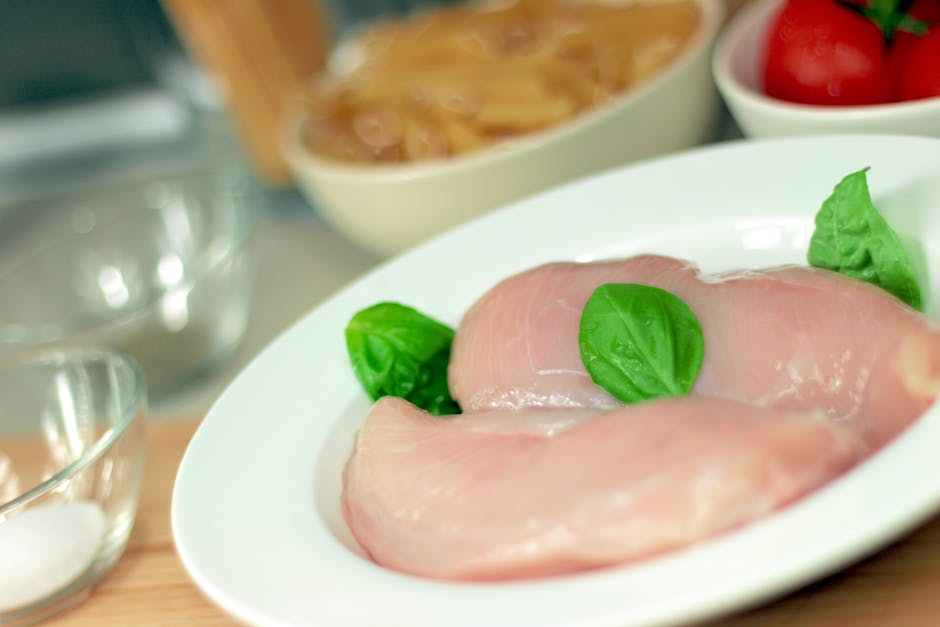
When we talk about halal frozen chicken in Zanzibar, we’re not just talking about frozen meat. We’re talking about a complete system – from sourcing to preparation, from storage to serving. And here’s the reality: most businesses get this wrong. They either compromise on quality for price, or they pay premium prices for inconsistent supply. That’s why I want to walk you through exactly what you need to know, what actually works, and how to make the right choices for your specific needs in Zanzibar.
What Are the Best Ways to Prepare Frozen Halal Chicken?
Let me cut through the noise and give you the straight facts about preparing frozen halal chicken. I’ve seen kitchens make the same mistakes over and over – improper thawing, wrong cooking temperatures, and poor seasoning techniques. Here’s what actually works based on real experience with Zanzibar’s hospitality industry.
First, let’s talk about thawing. This is where most people mess up. You have three proper methods: refrigerator thawing (24 hours for every 2kg), cold water thawing (change water every 30 minutes), and microwave thawing (use immediately after). The refrigerator method is best for maintaining quality and safety, especially for the 10 kg cartons that we supply through Pilgram Group International. Never thaw at room temperature – that’s asking for bacterial growth and quality degradation.
Now, cooking techniques. For Breast Fillet (Fileti), you want to cook at medium-high heat for 6-8 minutes per side. The key is to not overcook – chicken breast dries out quickly. For Chicken Leg (Paja), you need longer cooking times at lower temperatures – think 45-60 minutes at 180°C. The bone-in cuts like Breast with Bone (Kidali) benefit from slower cooking methods like braising or stewing.
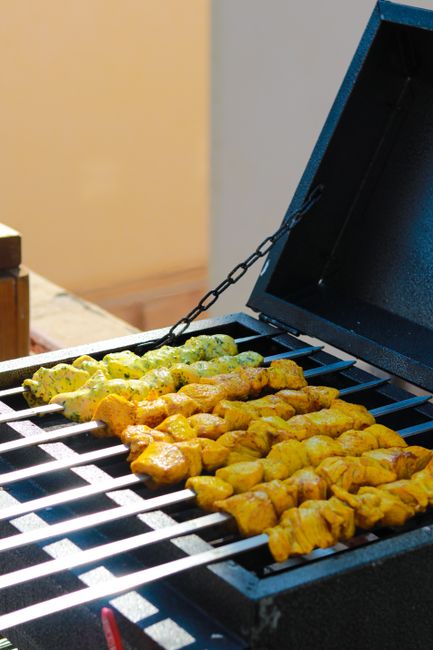
Here’s a pro tip I’ve learned from working with Zanzibar’s top chefs: marinate your frozen chicken while it’s still partially frozen. The ice crystals create tiny channels that allow marinades to penetrate deeper. For our Chicken Wings (Kipapatio), I recommend a simple marinade of lemon juice, garlic, and local spices, then grill them over medium heat until crispy.
Essential Preparation Techniques for Different Cuts
Different cuts require different approaches, and understanding this can save you time, money, and frustration. Let me break it down for you:
For Breast Fillet (Fileti): These are your premium cuts. Slice against the grain for stir-fries, pound evenly for schnitzels, or keep whole for grilling. The key is uniform thickness for even cooking.
For Chicken Leg (Paja): These are perfect for slow cooking. Score the skin to allow fat to render, season generously, and cook slowly. The bone adds flavour and keeps the meat moist.
For Chicken Wings (Kipapatio): Pat them dry thoroughly before cooking. This ensures crispy skin. Separate the drumette from the flat for more even cooking and better sauce coverage.
For Gizzards (Filigisi): These require special attention. Clean thoroughly, remove any tough membranes, and cook slowly. They’re perfect for stews and traditional Zanzibari dishes.
Remember this golden rule: always bring chicken to room temperature before cooking (except when using specific marinating techniques). This ensures even cooking throughout. And here’s something most people don’t know: the quality of your starting product matters more than any cooking technique. That’s why we at Pilgram Group International focus so intensely on our sourcing and freezing processes.
What Brands Offer Quality Frozen Chicken in Zanzibar?
Let me be brutally honest here: when it comes to quality frozen chicken in Zanzibar, there’s one name that stands above the rest, and that’s Pilgram Group International. I’m not saying this because I work with them – I’m saying this because I’ve seen the results across dozens of hotels and restaurants throughout the island.
Here’s what sets Pilgram Group International apart: everything is halal, first and foremost. But beyond that, we maintain strict cold-chain management from processing to delivery. Our poultry products are supplied frozen and packed to maintain quality and safety throughout the entire journey. This isn’t just a claim – it’s a system we’ve perfected through years of serving Zanzibar’s hospitality industry.
Our product catalogue is organised by category to make selection simple and efficient for hotels, restaurants, and food service partners. We don’t just sell chicken – we provide solutions. Here’s what we offer:
- Breast Fillet (Fileti) – 10 kg carton
- Breast with Bone (Kidali) – 10 kg carton
- Gizzards (Filigisi) – 10 kg carton
- Deboned Whole Chicken – 10 kg carton
- Chicken Leg (Paja) – 10 kg carton
- Chicken Wings (Kipapatio) – 10 kg carton
- Chicken Franks (Soseji) – Carton
- Whole chicken (griller) options: Griller (Kuku Mzima) – 1.0 kg bird and 1.1 kg bird
Standard packaging is 10 kg cartons, unless otherwise specified, and all prices are listed per carton. This consistency makes inventory management and cost control much easier for your business.
Our delivery schedule is structured to ensure reliability and consistent supply across Zanzibar:
- Monday & Friday: Kizimkazi, Jambiani, Paje, Michamvi
- Wednesday & Saturday: Uroa, Kiwengwa, Matemwe, Nungwi
- Town / Urban Areas: Daily deliveries from Monday to Saturday
- Sunday: No deliveries (emergency deliveries available at additional cost)
This isn’t just a delivery schedule – it’s a commitment to reliability. We understand that in the hospitality business, consistency isn’t just nice to have; it’s essential for operations.
What Are the Health Benefits of Including Chicken in Your Diet?
Let’s talk straight about chicken and health. I’m not a nutritionist, but I’ve worked with enough chefs and health-conscious clients to understand what matters. Chicken isn’t just protein – it’s a complete nutritional package when sourced and prepared correctly.
First, protein quality. Chicken provides all nine essential amino acids your body needs. This is particularly important in Zanzibar’s active lifestyle – whether you’re running a hotel kitchen or enjoying the island’s beaches, your body needs quality protein for muscle repair and energy. Our halal frozen chicken maintains this nutritional quality because of our careful processing and freezing methods.
Second, vitamin and mineral content. Chicken is rich in B vitamins, particularly B3 (niacin) and B6, which are crucial for energy metabolism. It also provides minerals like selenium, phosphorus, and zinc. Here’s what most people don’t realise: the freezing process we use at Pilgram Group International actually helps preserve these nutrients better than some “fresh” chicken that sits in display cases for days.
Third, fat content and quality. Chicken, especially breast meat, is relatively low in saturated fat compared to red meats. But here’s the key point: the quality of the chicken matters. Our birds are raised properly, which affects the fat composition. Better farming practices mean better nutritional profiles.
Specific Health Benefits of Different Cuts
Different cuts offer different nutritional advantages, and understanding this can help you make better menu planning decisions:
Breast Fillet (Fileti): Highest protein content, lowest fat. Perfect for health-conscious menus, weight management programs, and athletic nutrition. Each serving provides about 31 grams of protein with only 3.6 grams of fat.
Chicken Leg (Paja): Higher in iron and zinc than breast meat. The dark meat contains more myoglobin, which means more minerals. This is important for immune function and energy production.
Chicken Wings (Kipapatio): While higher in fat, they’re rich in collagen when cooked properly (slow cooking methods). Collagen supports joint health and skin elasticity.
Gizzards (Filigisi): Extremely high in protein and iron. They’re one of the most nutrient-dense parts of the chicken, perfect for traditional dishes that prioritise nutrition.
Here’s something crucial: the halal aspect matters for health too. The Islamic method of slaughter ensures complete blood drainage, which affects both food safety and potentially some nutritional aspects. Blood is a medium for bacterial growth, so proper drainage means safer meat.
I’ve seen hotels in Zanzibar transform their wellness offerings by understanding these nutritional differences. One resort in Paje created a “Protein Power” menu using our Breast Fillet for their fitness-focused guests, while another in Matemwe developed traditional dishes using Gizzards for their cultural dining experiences. Both saw increased guest satisfaction and repeat business.
How Does Pilgram Group International Ensure Quality?
Let me pull back the curtain and show you exactly how we maintain quality that other suppliers can’t match. This isn’t marketing talk – this is our actual process, developed through years of serving Zanzibar’s demanding hospitality industry.
First, our cold-chain management. From the moment our chicken is processed until it reaches your kitchen, it never leaves controlled temperatures. This is non-negotiable. We use specialised freezing equipment that freezes chicken quickly at very low temperatures. Quick freezing creates smaller ice crystals, which means less cellular damage and better texture when thawed.
Second, our packaging. All our poultry products come in 10 kg cartons designed specifically for frozen storage. These aren’t generic boxes – they’re engineered for thermal protection and stackability. Proper packaging prevents freezer burn and maintains quality during storage and transport.
Third, our delivery system. Our routes aren’t random – they’re carefully planned based on years of data about Zanzibar’s hospitality industry needs. We know which areas need deliveries on which days, and we stick to that schedule religiously. This reliability means your chicken spends minimal time in transit.
The Hotel Supply Process That Actually Works
Let me walk you through our hotel and restaurant supply process – it’s designed to be simple, reliable, and repeatable:
Inquiry & Selection: Clients select the products they require from our clear, organised catalogue. No confusion, no hidden options.
Order Confirmation: Quantities and delivery schedules are agreed and confirmed. We don’t promise what we can’t deliver.
Cold-Chain Preparation: Products are inspected, packed, and stored under controlled temperatures. Every carton is checked before dispatch.
Scheduled Delivery: Orders are delivered according to assigned routes. We communicate clearly about delivery times.
Ongoing Supply: Many clients opt for recurring weekly supply to ensure consistency. We make this easy with our reliable scheduling.
Here’s a real example: A beach resort in Jambiani was struggling with inconsistent chicken quality. They’d order on Monday, sometimes get delivery on Tuesday, sometimes Thursday. The quality varied wildly. When they switched to us, they got Monday deliveries every week, same time, same quality. Their chef told me it was like “finally having a reliable partner instead of a constant problem to manage.”
Practical Tips for Working with Frozen Chicken in Zanzibar
Based on my experience working with kitchens across Zanzibar, here are practical tips that actually work in our specific island context:
Storage is everything: In Zanzibar’s climate, your freezer needs to maintain consistent temperatures. Invest in a good freezer thermometer and check it daily. Store chicken at -18°C or lower. Organise your freezer with FIFO (first in, first out) system.
Thawing for volume: For the 10 kg cartons we supply, plan your thawing in advance. Thaw in refrigerator for 2-3 days before needed. For urgent needs, use the cold water method but monitor closely.
Portion control: Don’t thaw more than you need. Once thawed, chicken should be used within 24 hours. For large operations, consider portioning before freezing.
Local adaptation: Zanzibar’s spices and cooking methods are unique. Experiment with local marinades and cooking techniques. Our chicken works beautifully with Zanzibari spice blends.
Cost management: Use different cuts for different purposes. Breast for premium dishes, legs for stews, wings for bar snacks. This optimises your food costs.
I remember working with a restaurant in Stone Town that was wasting 30% of their chicken due to poor planning. We helped them implement a simple system: order based on actual weekly needs (using our reliable delivery schedule), thaw systematically, and use different cuts strategically. Within a month, their waste dropped to 8% and their food costs improved significantly.
Dealing with Zanzibar’s Specific Challenges
Zanzibar presents unique challenges for frozen food management, and here’s how to handle them:
Power reliability: Have a backup plan. Consider investing in a generator or having agreements with nearby facilities for emergency storage.
Seasonal demand: Tourist seasons affect your needs. Plan ahead with us – we can adjust delivery schedules based on your forecasted needs.
Local preferences: Understand what your specific customer base prefers. European tourists might prefer breast meat, while local customers might prefer traditional cuts.
Staff training: Ensure your kitchen staff understand proper handling of frozen products. We offer basic training for our clients on request.
The key is partnership. We’re not just suppliers – we’re part of your operational success. When you succeed, we succeed. That’s why we’re committed to providing not just quality halal frozen chicken, but the support and reliability you need to run your business effectively.
FAQs About Halal Frozen Chicken in Zanzibar
How long can I store frozen chicken from Pilgram Group International?
Our halal frozen chicken maintains optimal quality for up to 12 months when stored at -18°C or lower in proper packaging. For best results, we recommend using within 6 months. The key is maintaining consistent freezer temperatures and avoiding temperature fluctuations.
What makes your chicken halal certified?
Everything from Pilgram Group International is halal. Our chickens are slaughtered according to Islamic principles by trained Muslim slaughtermen, with proper blessings and complete blood drainage. We maintain this standard through our entire supply chain, from sourcing to delivery.
Can I get emergency deliveries outside your regular schedule?
Yes, emergency deliveries are available on off-days at an additional cost. While we recommend planning with our regular schedule for cost efficiency, we understand that emergencies happen in the hospitality business. Contact us directly to arrange emergency deliveries.
What payment methods do you accept?
We accept payments via Mixx by Yas, using any TIPS-enabled banking application. Our account details are: Account