
Let me be straight with you about halal beef cuts Zanzibar: if you’re running a restaurant, hotel, or food business here and you’re not mastering your beef selection, you’re leaving money on the table and compromising your culinary reputation. I’ve watched too many chefs and business owners across Stone Town, Nungwi, and Paje make the same mistakes – they either stick to the same two or three cuts because that’s what they know, or they try to use the wrong cut for the wrong dish and wonder why their food doesn’t stand out.
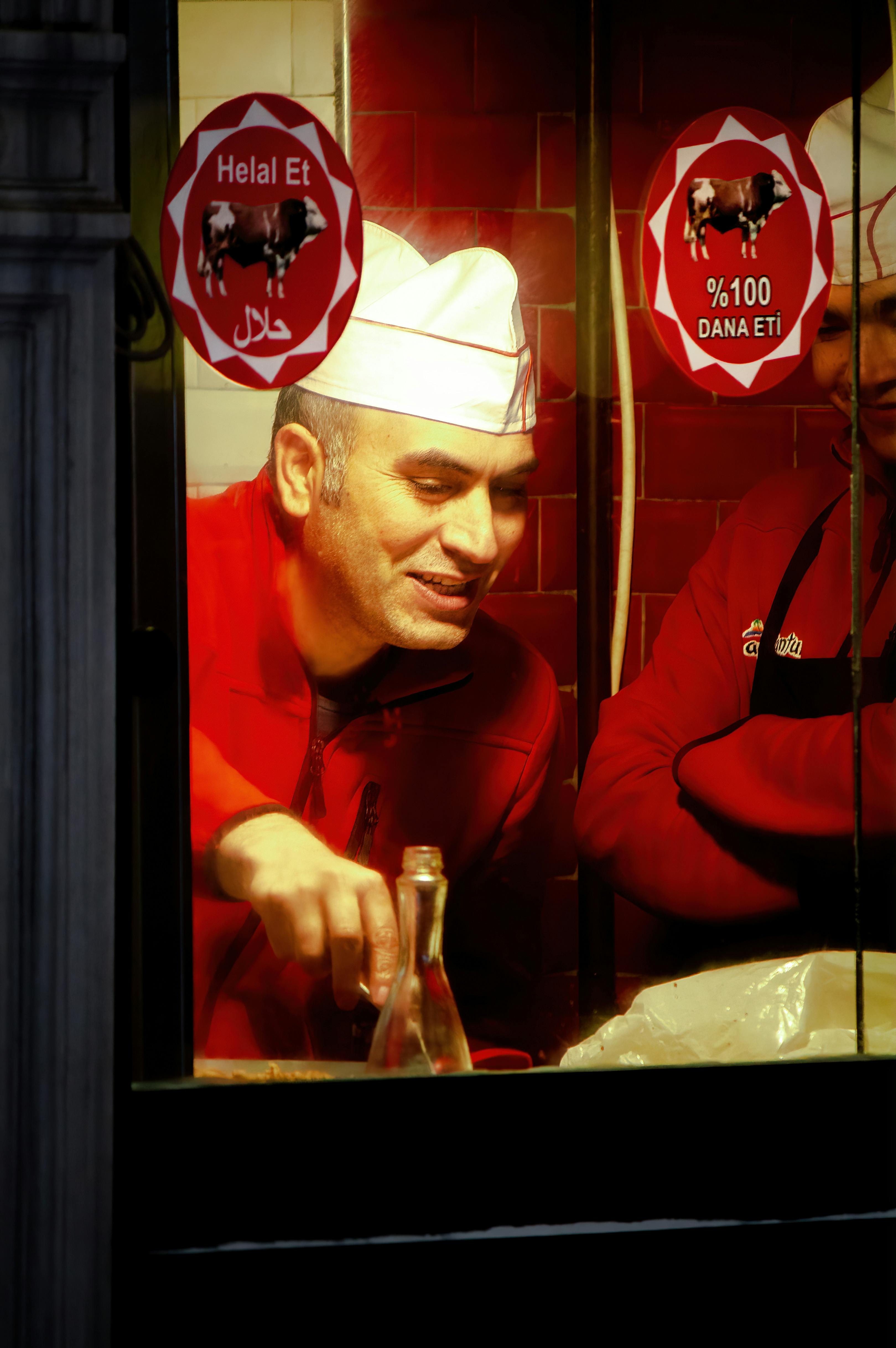
The truth is simple: understanding beef cuts isn’t just about knowing names – it’s about understanding texture, flavour profiles, cooking methods, and how each cut performs in different culinary applications. And here in Zanzibar, where we have a rich culinary heritage that blends Swahili, Arabic, Indian, and European influences, getting your beef selection right can be the difference between a good dish and a memorable one.
When I work with Pilgram Group International, I see this pattern constantly. The most successful restaurants and hotels aren’t just buying meat – they’re building relationships with suppliers who understand their culinary vision. They’re selecting specific cuts for specific dishes, they’re planning their menus around availability and quality, and they’re creating consistent dining experiences that keep guests coming back.
What Are the Most Versatile Halal Beef Cuts?
Let me break this down for you: versatility in beef cuts isn’t about finding one cut that does everything – it’s about understanding which cuts give you the most options across different cooking methods and dishes. When you’re running a food business in Zanzibar, you need cuts that can perform in multiple roles, because storage space is limited, inventory management matters, and you need to maximise your ingredient utilisation.
From my experience working with Pilgram Group International‘s beef catalogue, here are the cuts that give you the most bang for your buck:
Sirloin: The All-Rounder Champion
The sirloin is what I call the “workhorse” of the kitchen. It’s tender enough for quick cooking methods like grilling and pan-searing, but it also has enough flavour and structure to work in stews and braises if you treat it right. What most chefs don’t realise is that sirloin comes in different grades and thicknesses, and Pilgram Group International offers consistent quality that makes menu planning predictable.
Here’s how I see restaurants maximising their sirloin:
- Steak dishes: Perfect for hotel restaurants serving European-style cuisine
- Stir-fries: Thinly sliced sirloin works beautifully in Asian-inspired dishes
- Kebabs: Cubed sirloin marries well with Zanzibar’s spice blends
- Stews: When cut into larger chunks and cooked slowly
The key with sirloin is understanding that its versatility comes from its balanced fat content and muscle structure. It’s not as tender as fillet, but it’s more flavourful. It’s not as tough as some of the working muscles, but it holds up better to longer cooking than more delicate cuts.
Rump: The Flavour Powerhouse
If sirloin is the workhorse, rump is the flavour bomb. This cut comes from the hindquarter and has a stronger beefy flavour that stands up to bold spices and marinades. In Zanzibar, where we love our spices, rump becomes particularly valuable because it doesn’t get lost in complex flavour profiles.
What most chefs miss about rump is that it needs to be treated with respect. It’s not a “throw it on the grill and hope for the best” cut. It requires proper preparation:
- Always slice against the grain: This breaks up the muscle fibres and makes it more tender
- Marinate properly: The dense muscle structure benefits from longer marinating times
- Control your cooking temperature: Medium-rare to medium works best to preserve tenderness
I’ve seen restaurants in Stone Town create incredible signature dishes with rump by pairing it with local spices like cardamom, cloves, and cinnamon – flavours that complement rather than compete with the beef’s natural richness.
Minute Steak: The Quick-Service Hero
For hotels and restaurants with high turnover or limited kitchen space, minute steak is a game-changer. These are thin-cut steaks that cook in literally minutes, making them perfect for breakfast service, quick lunches, or room service menus.
The beauty of minute steak from Pilgram Group International is the consistency. When you’re serving dozens or hundreds of covers, you need to know that every steak will cook the same way, look the same on the plate, and deliver the same eating experience. Inconsistent thickness or quality means inconsistent cooking times and unhappy guests.
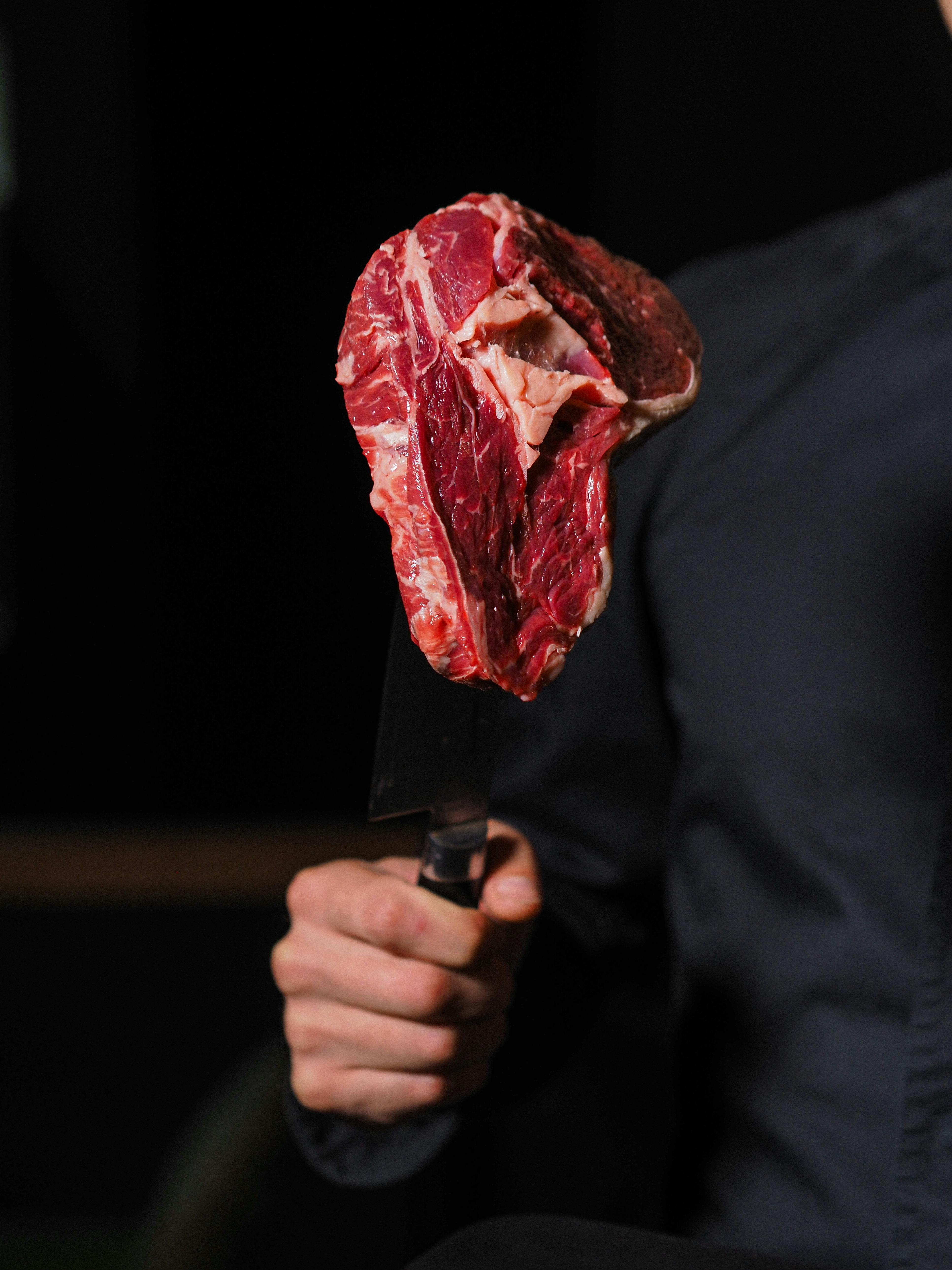
Lean Mince: The Foundation Builder
Don’t underestimate the power of good quality mince. Whether you’re making burgers, meatballs, koftas, or filling for samosas and pies, lean mince gives you a clean, beefy flavour without excessive fat. What sets Pilgram Group International‘s mince apart is the consistency of the grind and the quality control.
I’ve worked with restaurants that struggled with their burger consistency until they switched to a reliable mince supplier. The problem wasn’t their recipe – it was that every batch of mince behaved differently. Some were too fatty and shrank dramatically, some were too lean and dried out, some had inconsistent texture. When you’re building a reputation for quality, you can’t afford that kind of variability.
How to Prepare Specific Beef Cuts for Optimal Flavour?
Let me be brutally honest: most chefs in Zanzibar are preparing beef wrong. They’re either overcooking everything because they’re afraid of serving undercooked meat, or they’re using the wrong techniques for the wrong cuts. Preparation isn’t just about cooking – it’s about the entire process from receiving the meat to serving it on the plate.
T-Bone with Fillet: The Luxury Treatment
The T-bone is a special occasion cut – it’s got both the strip steak and the tenderloin separated by the T-shaped bone. When you’re serving this at a luxury resort or high-end restaurant, you need to treat it with the respect it deserves.
Here’s my preparation protocol for T-bone:
- Proper thawing: Never cook T-bone straight from frozen. Thaw it slowly in the refrigerator for 24-48 hours
- Bring to room temperature: Take it out of the fridge 30-60 minutes before cooking
- Season simply: Good quality beef needs little more than salt, pepper, and maybe some garlic
- High heat sear: Get a good crust on both sides to lock in juices
- Rest properly: Let it rest for at least 5-10 minutes before serving
The challenge with T-bone is that you have two different muscles cooking at the same time – the tenderloin cooks faster than the strip. The solution? Position the tenderloin slightly away from the hottest part of your heat source, or consider finishing in the oven if you’re working with particularly thick cuts.
Ox-Tail: The Slow-Cooked Wonder
Ox-tail is one of those cuts that separates amateur chefs from professionals. It’s bony, it’s tough, and it looks intimidating. But when prepared correctly, it delivers some of the richest, most flavourful meat you’ll ever taste.
Here’s what most people get wrong with ox-tail:
- They don’t brown it properly: That Maillard reaction is crucial for developing depth of flavour
- They rush the cooking: Ox-tail needs hours, not minutes
- They skim the fat: That fat carries flavour – remove it at the end, not during cooking
In Zanzibar, ox-tail works beautifully in rich, spiced stews that reflect our cultural heritage. I’ve seen restaurants create incredible fusion dishes by combining traditional Swahili spices with European cooking techniques.
Brisket: The Patient Chef’s Reward
Brisket is all about patience and technique. This cut comes from the breast section and has a lot of connective tissue that needs to break down through slow, moist cooking. When done right, it becomes incredibly tender and flavourful.
The key to great brisket is understanding the two parts: the flat and the point. The flat is leaner and slices beautifully, while the point has more fat and is better for shredding. Pilgram Group International supplies brisket that’s properly trimmed and ready for whatever application you have in mind.
For Zanzibar restaurants, brisket offers incredible versatility:
- Slow-cooked curries: The long cooking time allows spices to penetrate deeply
- Smoked brisket: For restaurants with smoking capabilities
- Braising: Perfect for European-style dishes with local spice twists
Short Ribs: The Flavour Concentrate
Short ribs are what I call “flavour bombs” – they’re rich, fatty, and packed with beefy goodness. The challenge is that they need proper preparation to render the fat and break down the connective tissue.
My approach to short ribs involves three stages:
- Dry brine: Salt them generously and let them sit uncovered in the refrigerator overnight
- Sear aggressively: Get a deep, dark crust on all sides
- Braise slowly: Cook them submerged in liquid at a low temperature for several hours
What makes short ribs particularly valuable in Zanzibar is their ability to stand up to strong flavours. Whether you’re doing an Asian-inspired braise with soy and ginger or a Middle Eastern preparation with pomegranate and spices, short ribs won’t get lost in the mix.
Where to Find Specialty Halal Beef Cuts in Zanzibar?
This is where most restaurants and hotels make their biggest mistake. They think all suppliers are the same, or they chase the lowest price without considering quality, consistency, or reliability. Let me tell you something I’ve learned from working with dozens of food businesses across the island: your meat supplier isn’t a vendor – they’re a partner in your success.
The Pilgram Group International Advantage
When I recommend Pilgram Group International to restaurants and hotels, it’s not just because they have a comprehensive beef catalogue (though that certainly helps). It’s because they understand the specific needs of Zanzibar’s food service industry.
Here’s what sets them apart:
- Consistent quality: Every cut, every delivery, meets the same standards
- Proper halal certification: Not just a label, but a commitment to proper Islamic dietary practices
- Reliable delivery schedule: They understand that restaurants can’t afford missed deliveries
- Cold-chain integrity: Proper handling from source to your kitchen
- Local knowledge: They understand Zanzibar’s market, seasons, and customer preferences
I’ve seen too many restaurants try to save a few shillings by working with unreliable suppliers, only to lose thousands in wasted food, unhappy customers, and damaged reputation. The math is simple: consistent quality leads to consistent dishes leads to consistent customers.
Understanding the Delivery System
One of the biggest challenges in Zanzibar is logistics. We’re an island, and getting consistent supply to different areas requires careful planning. Pilgram Group International has this figured out with their structured delivery routes:
- Monday & Friday: Kizimkazi, Jambiani, Paje, Michamvi
- Wednesday & Saturday: Uroa, Kiwengwa, Matemwe, Nungwi
- Town/Urban Areas: Daily deliveries Monday to Saturday
- Sunday: No deliveries (with emergency options available at additional cost)
This system isn’t arbitrary – it’s based on understanding traffic patterns, business needs, and practical logistics. For restaurants, this predictability is gold. You can plan your menus, manage your inventory, and schedule your prep work around known delivery times.
The Hotel Supply Process Made Simple
For hotels, the supply process needs to be even more reliable. A hotel kitchen can’t say “sorry, we’re out of steak” to a guest who’s paying hundreds of dollars a night. Pilgram Group International has developed a hotel supply process that eliminates guesswork:
- Inquiry & Selection: You choose exactly what you need from their comprehensive catalogue
- Order Confirmation: Quantities and schedules are locked in
- Cold-Chain Preparation: Products are handled properly from the start
- Scheduled Delivery: No surprises, no delays
- Ongoing Supply: Most hotels opt for recurring weekly orders
I’ve worked with hotels that struggled with inconsistent supply until they implemented this system. The difference wasn’t just in product quality – it was in kitchen efficiency, waste reduction, and guest satisfaction.
Specialty Cuts Availability
What most chefs don’t realise is that specialty cuts aren’t necessarily harder to get – they just require planning. Pilgram Group International offers cuts that many local suppliers don’t carry consistently:
- Beef Fillet: The most tender cut, perfect for luxury dining
- Ribeye: Richly marbled and incredibly flavourful
- Blade: Great for slow cooking and braising
- Topside & Silverside: Perfect for roasting and carving
- Cut Beef: Versatile for various applications
The key is communicating your needs in advance. If you know you’ll need specific cuts for specific events or menu changes, a simple conversation with your account manager ensures you get what you need when you need it.
The Business Case for Quality Beef Cuts
Let me put this in business terms: your meat selection isn’t a cost centre – it’s a revenue driver. I’ve analysed enough restaurant P&L statements to know that the difference between mediocre and excellent meat sourcing shows up in multiple places:
- Higher menu prices: Quality justifies premium pricing
- Better reviews: Happy customers become repeat customers
- Reduced waste: Consistent quality means fewer rejected portions
- Staff efficiency
- Brand reputation: Quality becomes part of your identity
When you work with Pilgram Group International, you’re not just buying meat – you’re buying consistency, reliability, and peace of mind. You’re buying the ability to focus on what you do best: creating amazing dining experiences.
Integrating Local Flavours with Quality Cuts
One of the beautiful things about Zanzibar’s culinary scene is how it blends international techniques with local flavours. The beef cuts from Pilgram Group International become canvases for this creative expression.
Here are some successful combinations I’ve seen in local restaurants:
- Sirloin with Zanzibar spice rubs: Cardamom, clove, and cinnamon create incredible crusts
- Rump in coconut-based curries: The beefy flavour stands up to rich coconut milk
- Ox-tail in slow-cooked stews: Traditional Swahili spices transform this humble cut
- Minute steak with local chutneys: Quick service doesn’t mean bland flavours
The common thread in all these successful applications is starting with quality meat. You can’t build a great dish on a shaky foundation.
FAQ: Halal Beef Cuts in Zanzibar
What makes beef truly halal in Zanzibar?
True halal certification involves specific slaughter practices according to Islamic law, proper drainage of blood, and blessing at the time of slaughter. Pilgram Group International ensures all these requirements are met, not just with a certificate but with proper processes and oversight.
How should I store different beef cuts?
Different cuts have different storage requirements. Tender cuts like fillet and sirloin should be used within 2-3 days of