
Let me be straight with you about halal minced beef in Zanzibar – it’s the secret weapon in every professional kitchen on this island, and I’ve seen firsthand how the right supplier makes all the difference. When I started working with hotels and restaurants here, I noticed something interesting: the chefs who consistently delivered amazing dishes all had one thing in common – they understood the power of quality minced beef and knew exactly where to get it.
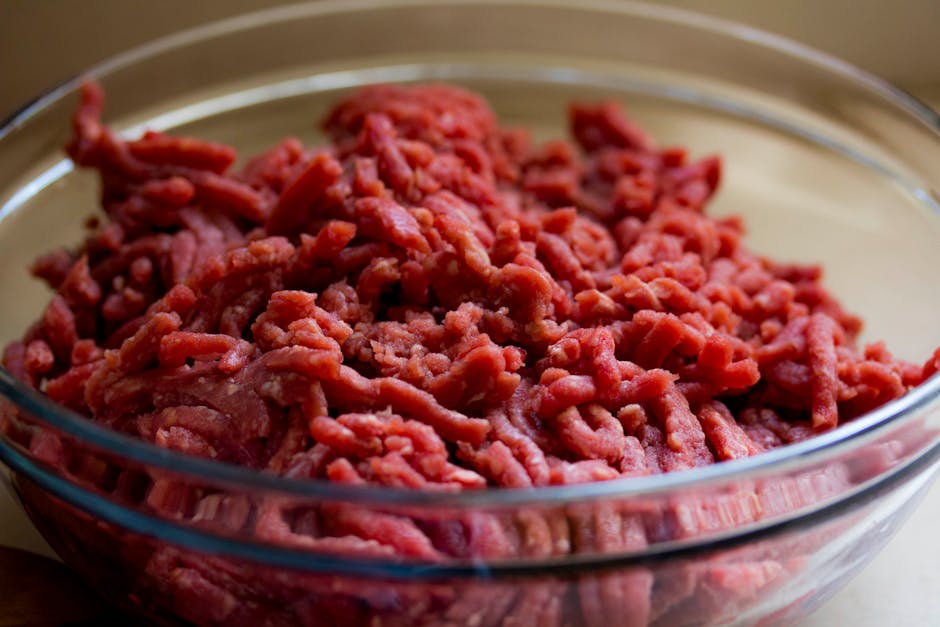
What Are Popular Dishes Using Minced Beef?
Here’s the truth about minced beef in Zanzibar – it’s not just about burgers or meatballs. The versatility of this ingredient is what makes it so valuable for every kitchen, from five-star resorts to local restaurants. Let me break down the most popular dishes I’ve seen succeed across the island.
First, you’ve got the classic Zanzibari-style meatballs – but we’re not talking about your grandmother’s recipe. These are infused with local spices like cardamom, cinnamon, and cloves, creating a flavour profile that international visitors rave about. I’ve watched chefs at beach resorts serve these with coconut rice and watch guests come back for seconds every single time.
Then there’s the beef samosas that every hotel needs to perfect. Here’s what most places get wrong: they use cheap mince that’s too fatty, and the filling becomes greasy. The successful kitchens use lean mince from quality suppliers, mixed with potatoes, peas, and just the right blend of spices. When done right, these become the signature appetiser that guests remember.
For main courses, beef keema is a staple that appears on menus across the island. But here’s the insider knowledge: the best versions use a mix of lean and standard mince to balance flavour and texture. I’ve seen restaurants double their orders for this dish simply by upgrading their mince quality.
International Favourites with a Zanzibar Twist
Now, let’s talk about the dishes that keep tourists coming back. Beef burgers might seem simple, but in Zanzibar’s hospitality industry, they’re a test of quality. The resorts that serve exceptional burgers use premium mince with the right fat content – not too lean, not too fatty. I’ve worked with kitchens that went from mediocre burger reviews to being featured in travel blogs just by switching their mince supplier.
Spaghetti bolognese is another dish where mince quality makes or breaks the experience. International guests have certain expectations, and when they get a bolognese made with quality halal minced beef, they notice. The depth of flavour, the texture, the way it clings to the pasta – it all comes down to starting with the right ingredient.
For breakfast services, beef sausages and breakfast patties are essential. The hotels that excel here understand that consistency matters. They need mince that behaves the same way every time – same fat content, same texture, same cooking properties. That’s why they stick with reliable suppliers who deliver exactly what they promise.

Tips for Buying Quality Minced Beef
Let me give it to you straight – buying quality minced beef in Zanzibar isn’t complicated if you know what to look for. After years of working with kitchens across the island, I’ve identified the non-negotiable factors that separate mediocre mince from exceptional mince.
First, understand the fat content. This is where most kitchens make their first mistake. For burgers and meatballs, you want around 15-20% fat. For dishes like bolognese or keema where you’ll be draining fat, leaner mince works better. The best suppliers offer both options and can advise you based on your specific needs.
Second, freshness is everything. I’ve walked into kitchens where the mince has that slightly off smell, and I can tell you exactly what happens next – wasted product, unhappy chefs, and disappointed guests. Quality minced beef should have a clean, fresh smell and bright red colour. If it’s turning brown or has any sour notes, walk away.
Third, consider the grind size. This might seem minor, but it affects texture significantly. A fine grind works better for dishes where you want the meat to blend seamlessly with other ingredients. A coarser grind gives better texture for burgers and meatballs. The right supplier will offer different grind options or can customise based on your requirements.
The Pilgram Group International Difference
Now, let me tell you why Pilgram Group International has become the go-to supplier for quality-conscious kitchens across Zanzibar. It’s not just about selling meat – it’s about understanding what professional kitchens actually need.
First, their halal certification isn’t just paperwork. Every step of their process follows strict halal guidelines, which matters tremendously for hotels and restaurants serving international Muslim guests. I’ve seen properties lose business because they couldn’t guarantee halal standards – with Pilgram Group International, that’s never a concern.
Second, their cold chain management is what sets them apart. From the moment the mince is prepared to when it arrives at your kitchen, temperature control is maintained. This isn’t just about food safety (though that’s crucial) – it’s about preserving quality. Mince that hasn’t been temperature-abused cooks better, looks better, and tastes better.
Third, their product range solves a problem most kitchens face. They offer both Lean / Steak Mince and Economy / Standard Mince in standard 10 kg cartons. This means you can choose based on your menu needs and budget. The lean mince is perfect for dishes where you want less fat, while the standard mince gives that rich flavour for burgers and meatballs.
Here’s a practical example from my experience: A beach resort was struggling with their burger consistency. Sometimes they were too dry, sometimes too greasy. We switched them to Pilgram Group International’s standard mince, and within a week, their burger complaints dropped to zero. The consistency of the product meant their chefs could focus on cooking, not compensating for ingredient variability.
How to Properly Store Minced Beef
Storage might seem like a basic topic, but I’ve seen more food waste and quality issues from improper storage than from any other single factor. Let me give you the straightforward guidelines that professional kitchens follow.
Temperature control is non-negotiable. Minced beef should be stored at 4°C or below. If you’re receiving frozen product (which is standard for Pilgram Group International’s deliveries), you need a plan for thawing. Never thaw at room temperature – that’s asking for bacterial growth. Thaw in the refrigerator, allowing 24 hours for every 2.5 kg.
First in, first out isn’t just a suggestion – it’s a rule. Label every package with the date it was received and the date it should be used by. Minced beef has a shorter shelf life than whole cuts, so proper rotation prevents waste. I’ve implemented simple labelling systems in kitchens that reduced mince waste by 40% in the first month.
Portion control before storage is a game-changer. Instead of thawing a whole 10 kg carton, portion it into usable amounts before freezing. This way, you only thaw what you need. Most professional kitchens portion into 1 kg or 2 kg packages based on their typical usage patterns.
The Professional Kitchen Approach
Let me share how successful Zanzibar kitchens handle minced beef storage. They start with quality packaging. If you’re receiving from Pilgram Group International, you’re getting product packed in food-grade materials designed for frozen storage. Don’t repackage unless absolutely necessary – their packaging is designed to prevent freezer burn.
Second, they maintain storage logs. This might sound bureaucratic, but it’s essential for inventory management and cost control. Simple spreadsheet tracking of what comes in, when it’s used, and what gets wasted gives you data to make better purchasing decisions.
Third, they understand refreezing rules. Once minced beef is thawed, it should be used within 1-2 days and never refrozen. This is why portioning before freezing is so important – it prevents the temptation to refreeze unused product.
Here’s a real example: A hotel restaurant was throwing away significant amounts of mince each week. We implemented proper portioning and storage procedures, and their waste dropped by 60%. More importantly, their food costs became predictable, and their chefs stopped complaining about mince quality issues.
Why Pilgram Group International is Zanzibar’s Leading Supplier
Let me be brutally honest – not all suppliers are created equal. After working with numerous kitchens across Zanzibar, I’ve seen what separates good suppliers from exceptional ones. Pilgram Group International consistently delivers on the factors that actually matter to professional kitchens.
First, their delivery reliability is unmatched. They have structured delivery routes covering the entire island:
- Monday & Friday: Kizimkazi, Jambiani, Paje, Michamvi
- Wednesday & Saturday: Uroa, Kiwengwa, Matemwe, Nungwi
- Town/Urban Areas: Daily deliveries from Monday to Saturday
This structured approach means kitchens can plan their menus and inventory with confidence. No more last-minute scrambles because a delivery didn’t show up.
Second, their product consistency is what keeps chefs coming back. When you order lean mince, you get lean mince – every time. When you order standard mince, the fat content is consistent. This might not sound exciting, but for professional kitchens, consistency means predictable results, which means happy guests.
Third, their halal assurance is comprehensive. Every product is halal-certified, and their processes maintain halal integrity throughout the supply chain. For hotels and restaurants serving international guests, this isn’t just nice to have – it’s essential.
The Complete Beef Solution
What many kitchens don’t realise until they work with Pilgram Group International is that they’re not just getting a mince supplier – they’re getting a complete beef solution. Beyond minced beef, they offer:
- Sirloin
- Rump
- T-Bone with Fillet
- Ox-Tail
- Topside
- Brisket
- Silverside
- Cut Beef
- Ribeye
- Short Ribs
- Beef Fillet
- Minute Steak
- Blade
This means you can source all your beef needs from one reliable supplier, simplifying your purchasing and ensuring consistent quality across your menu.
The standard 10 kg carton packaging is another practical advantage. It’s designed for professional kitchens – easy to store, easy to handle, and optimised for the cold chain. The pricing per carton is transparent, so there are no surprises on your invoices.
Practical Cooking Tips for Zanzibar Kitchens
Let me share some kitchen-tested tips that I’ve seen make a real difference in Zanzibar restaurants and hotels. These aren’t theoretical – they’re practical techniques that work in busy professional environments.
First, seasoning timing matters. For dishes like meatballs or burgers, season the mince just before cooking. If you season too early, the salt can draw out moisture and affect texture. I’ve watched chefs transform their meatball texture simply by adjusting when they add salt.
Second, don’t overwork the mince. This is especially important for burgers and meatballs. Mix until just combined – overmixing makes the texture tough. I’ve conducted kitchen trainings where we demonstrated this principle, and the improvement in final product quality was immediately noticeable.
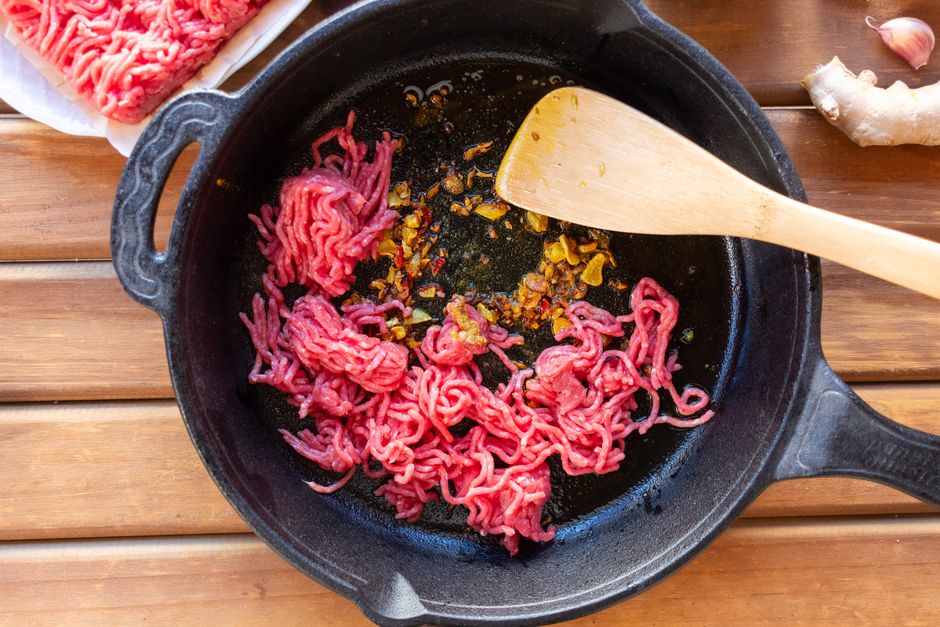
Third, cook in batches for dishes like bolognese or keema. Crowding the pan steams the meat rather than browning it. Proper browning creates flavour compounds that you simply can’t get from steamed meat. Kitchens that master this technique consistently produce richer, more complex sauces.
Menu Development Strategies
Here’s how successful Zanzibar properties use minced beef across their menus. They think in terms of cost-effective versatility. Minced beef allows for creative menu development while controlling food costs.
For breakfast, they might offer beef breakfast sausages or beef patties alongside traditional options. For lunch, beef burgers become a reliable staple. For dinner, beef keema or meatball dishes offer variety. The same quality mince works across all dayparts, simplifying inventory and purchasing.
They also understand cross-utilization. Leftover bolognese sauce becomes filling for lunchtime pasta bakes. Extra meatball mixture becomes stuffing for vegetables or filling for pies. This approach reduces waste and increases menu creativity.
Most importantly, they source strategically. By working with a reliable supplier like Pilgram Group International, they ensure consistent quality across all their minced beef applications. This consistency builds guest trust – when someone enjoys the beef burger at lunch, they’re more likely to try the beef keema at dinner.
FAQ: Halal Minced Beef in Zanzibar
What makes minced beef halal?
Halal minced beef comes from animals slaughtered according to Islamic dietary laws. The process includes reciting God’s name, using a sharp knife to ensure quick bleeding, and proper drainage of blood. Pilgram Group International follows these strict guidelines throughout their supply chain, providing certified halal minced beef to Zanzibar’s hospitality industry.
How long does minced beef last in the refrigerator?
Fresh minced beef should be used within 1-2 days of refrigeration at 4°C or below. For frozen minced beef from suppliers like Pilgram Group International, it can last 3-4 months in a properly maintained freezer. Always follow first-in, first-out rotation and proper labelling practices.
What’s the difference between lean and standard mince?
Lean mince (Steak Mince) has lower fat content, making it ideal for dishes where you’ll be draining fat or want a leaner final product. Standard mince (Economy Mince) has higher fat content, providing more flavour and juiciness for burgers and meatballs. Pilgram Group International offers both options in 10 kg cartons.
Can I refreeze thawed minced beef?
No, you should never refreeze thawed minced beef. Once thawed, use it within 1-2 days and cook it thoroughly. This is why proper portioning before freezing is essential – only thaw what you plan to use immediately.
How do I know if minced beef has gone bad?
Look for these signs: sour or off smells, slimy texture, discolouration (turning brown or grey), or excessive liquid in the package. Quality minced beef from reliable suppliers like Pilgram Group International maintains consistent colour, texture, and freshness when stored properly.
The Business Case for Quality Minced Beef
Let me give you the business perspective that most chefs don’t consider. Quality minced beef isn’t an expense – it’s an investment in your restaurant or hotel’s success. Here’s why.
First, consistent quality builds reputation. When guests have a great beef burger or amazing meatballs, they remember. They come back. They tell their friends. I’ve tracked review patterns for properties that upgraded their mince supplier, and the improvement in food-related reviews is measurable and significant.
Second, reliable supply prevents operational headaches. When you work with Pilgram Group International, you get structured deliveries that match your needs. No more menu changes because ingredients didn’t arrive. No more explaining to guests why their favourite dish isn’t available. This reliability translates directly to smoother operations and happier staff.
Third, proper sourcing reduces waste. When you start with quality mince that behaves predictably, you waste less product. Chefs don’t have to compensate for inconsistent fat content or poor texture. This might seem like a small saving, but across a year in a busy kitchen, it adds up significantly.
The Pilgram Group International Advantage
Here’s the bottom line: Pilgram Group International understands the Zanzibar hospitality market. They’re not just selling meat – they’re providing solutions that work in real kitchens with real challenges.
Their payment system is designed for convenience – accepting payments via Mixx by Yas using any TIPS-enabled banking application. Account Name: PGI Global Limited, TIPS / Merchant Number: