
Let me be straight with you about something that most hotels and restaurants in Zanzibar get wrong: thinking that halal certification is enough when it comes to meat supply. I’ve seen too many businesses across Stone Town, Nungwi, Paje, and Michamvi make this exact mistake. They focus on the religious certification and completely overlook the hygienic meat supplier Zanzibar standards that actually keep their customers safe. The truth is, halal is just the starting point – it’s the bare minimum. What really matters is finding a supplier who understands that hygiene isn’t just about cleanliness; it’s about systematic processes, consistent standards, and a commitment to safety that goes beyond certification.
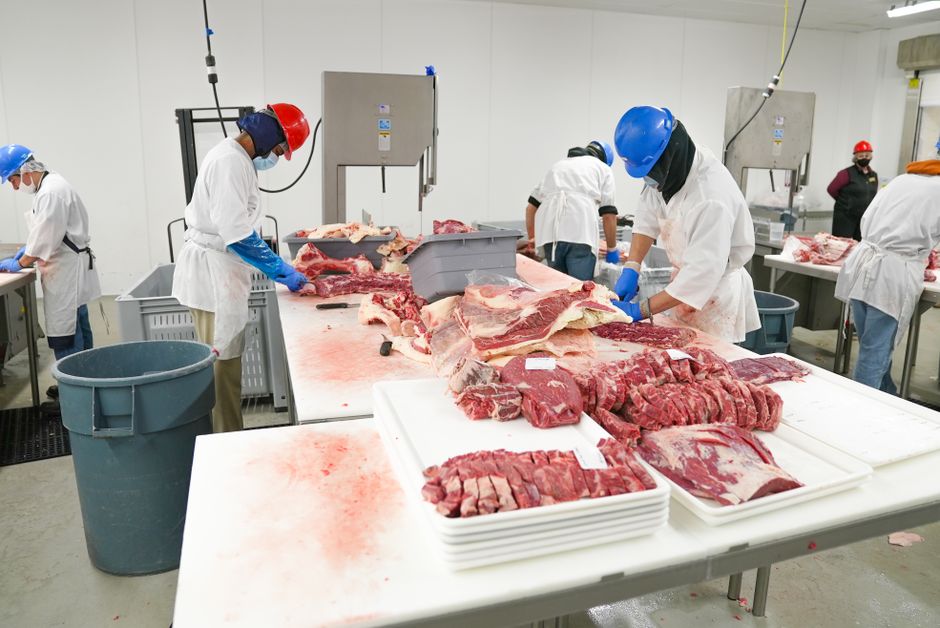
Here’s what I’ve learned from working with Pilgram Group International, who supply meat to some of the most demanding hotels and restaurants across Zanzibar: the difference between a good supplier and a great one comes down to their approach to hygiene. It’s not about having a clean facility (though that’s important). It’s about having systems that ensure every single piece of meat that leaves their facility meets the same high standards. It’s about traceability, temperature control, packaging integrity, and regular inspections. Most importantly, it’s about a culture where every team member understands that their job isn’t just to process meat – it’s to protect people’s health.
What Are the Hygiene Standards for Meat Processing?
Let me break this down for you in simple terms. When we talk about hygiene standards for meat processing in Zanzibar, we’re not just talking about washing hands and keeping surfaces clean. We’re talking about a comprehensive system that starts the moment the animal arrives and continues right through to when the packaged product reaches your kitchen. At Pilgram Group International, we’ve built our entire operation around what we call the “Four Pillars of Hygiene” – and this is what sets us apart as the leading hygienic meat supplier Zanzibar businesses can trust.
The first pillar is facility design and maintenance. Our processing facility is designed with hygiene as the primary consideration. We have separate zones for different processing stages to prevent cross-contamination. All surfaces are made from non-porous materials that can be thoroughly cleaned and sanitised. The drainage systems are designed to prevent standing water, and the entire facility undergoes deep cleaning every single day after operations. But here’s what most suppliers miss: it’s not just about cleaning at the end of the day. It’s about continuous cleaning throughout the process. Our team members are trained to clean as they go, ensuring that no contamination has a chance to spread.
The second pillar is personal hygiene and protective equipment. Every single person who enters our processing area must go through a strict hygiene protocol. This includes full protective clothing – hairnets, gloves, aprons, and dedicated footwear that never leaves the processing area. Hand washing isn’t just encouraged; it’s mandatory at specific intervals and after every task change. We’ve implemented a colour-coded system for different areas to prevent cross-contamination. But here’s the real difference: we don’t just provide the equipment and hope people use it properly. We have supervisors who monitor compliance, and we’ve made hygiene part of our performance metrics. When hygiene becomes part of how you measure success, you get a different level of commitment from your team.

The third pillar is temperature control throughout the cold chain. This is where most local suppliers fail spectacularly. They might have refrigeration at their facility, but they don’t maintain proper temperatures during transport, and they certainly don’t monitor it continuously. At Pilgram Group International, we use temperature-controlled vehicles with continuous monitoring systems. Every delivery vehicle has digital temperature loggers that record the temperature every minute of the journey. If there’s any deviation outside our strict parameters (which are actually tighter than most international standards), we know about it immediately, and that batch doesn’t get delivered. We’ve invested in proper cold storage facilities that maintain consistent temperatures, and we have backup power systems to ensure there’s never a temperature fluctuation, even during power outages.
The fourth pillar is what I call process hygiene. This is about how we handle the meat at every stage. We use separate equipment for different types of meat to prevent cross-contamination. Our cutting surfaces are sanitised between different batches. We have specific procedures for how meat is handled, how it’s transferred between stations, and how it’s packaged. But here’s the key insight: process hygiene isn’t just about following procedures. It’s about understanding why those procedures exist. Every member of our team is trained not just in what to do, but in why it matters. They understand that a small deviation in procedure could lead to bacterial growth that could make someone seriously ill. When your team understands the “why,” compliance goes from being a chore to being a point of pride.
How Temperature Control Makes All the Difference
Let me give you a real example of why temperature control matters so much. Last year, one of our competitors had a major issue where their refrigeration failed during transport to a hotel in Kiwengwa. The meat arrived at the hotel looking fine, but the internal temperature had risen above safe levels for several hours. The hotel used the meat, and within 24 hours, multiple guests reported food poisoning symptoms. The hotel had to deal with complaints, refunds, and serious damage to their reputation. Meanwhile, our system would have caught that issue before the meat ever left our facility. Our temperature monitoring would have flagged the problem, and we would have immediately quarantined that batch and started a new one. That’s the difference between having systems and just hoping everything works out.
How Often Are Inspections Conducted?
This is where most meat suppliers in Zanzibar will try to impress you with talk of “regular inspections” or “quality checks.” But let me be brutally honest: without specific frequency and documented processes, those words are meaningless. At Pilgram Group International, we don’t just have inspections – we have a multi-layered inspection system that happens at every stage of our operation. And we can tell you exactly how often each type of inspection occurs, because we measure and document everything.
First, let’s talk about daily operational inspections. Every single morning before any processing begins, our quality control team conducts a full facility inspection. This includes checking all equipment for cleanliness and proper function, verifying that all temperature-controlled areas are maintaining correct temperatures, and ensuring that all hygiene stations are fully stocked and functional. But here’s what makes our approach different: these aren’t just visual checks. We use ATP (adenosine triphosphate) testing swabs on surfaces to actually measure biological contamination. If a surface looks clean but the ATP test shows contamination, we know we need to improve our cleaning process. This scientific approach means we’re not just guessing about cleanliness – we’re measuring it.
Second, we have batch-by-batch inspections. Every single batch of meat that goes through our facility is inspected at multiple points. When the raw material arrives, it’s inspected for quality and temperature. During processing, random samples from each batch are checked. After packaging, we inspect the final product. But here’s the key: these aren’t random spot checks. We have specific inspection criteria for each type of product. For our poultry products like Breast Fillet (Fileti) or Chicken Leg (Paja), we’re checking for proper trimming, absence of defects, and correct packaging. For our beef products like Sirloin or Ribeye, we’re checking marbling, colour, and texture. Each inspection is documented, and that documentation stays with the product through our system.
Third, we conduct weekly comprehensive audits. Every week, our senior management team conducts a full audit of our entire operation. This isn’t just about checking boxes on a form. We review all the daily inspection data, we look for patterns or trends that might indicate a developing issue, and we assess whether our processes are still effective. We also review customer feedback from that week to see if there are any concerns we need to address. This weekly audit is where we make continuous improvements to our systems. If we notice that a particular type of contamination is showing up in our ATP tests, we can investigate and fix the root cause before it becomes a problem.
Fourth, we have monthly third-party verification</strong. This is crucial because it provides an objective assessment of our standards. Every month, an independent food safety auditor visits our facility and conducts a thorough inspection. They check everything from our documentation to our physical processes to our team training. They’re looking for compliance with international food safety standards, not just local requirements. And here’s why this matters: when you’re choosing a hygienic meat supplier Zanzibar hotels and restaurants can rely on, you want someone who’s being held accountable by independent experts, not just checking their own work.
The Role of Packaging in Maintaining Meat Hygiene
Now let’s talk about something that most people completely underestimate: packaging. I’ve seen hotels in Zanzibar receive meat in flimsy plastic bags that tear during transport, or in containers that don’t properly seal. They think the packaging is just about convenience, but they’re missing the critical point: packaging is your last line of defence against contamination. At Pilgram Group International, we treat packaging with the same seriousness we treat every other aspect of hygiene, because we understand that poor packaging can undo all the good work that came before it.
First, let’s talk about material selection. We don’t use generic packaging materials. We specifically select materials that are designed for meat packaging. Our primary packaging (the material that directly contacts the meat) is food-grade vacuum-sealed bags that create an oxygen-free environment. This isn’t just about keeping the meat fresh – it’s about preventing the growth of aerobic bacteria that need oxygen to survive. For products that need to maintain their shape, like our Whole Chicken (Griller) options, we use specially designed trays with absorbent pads that draw away moisture (which bacteria love to grow in). Every material we use is tested for its barrier properties – its ability to keep oxygen out and moisture in (or out, depending on the product).
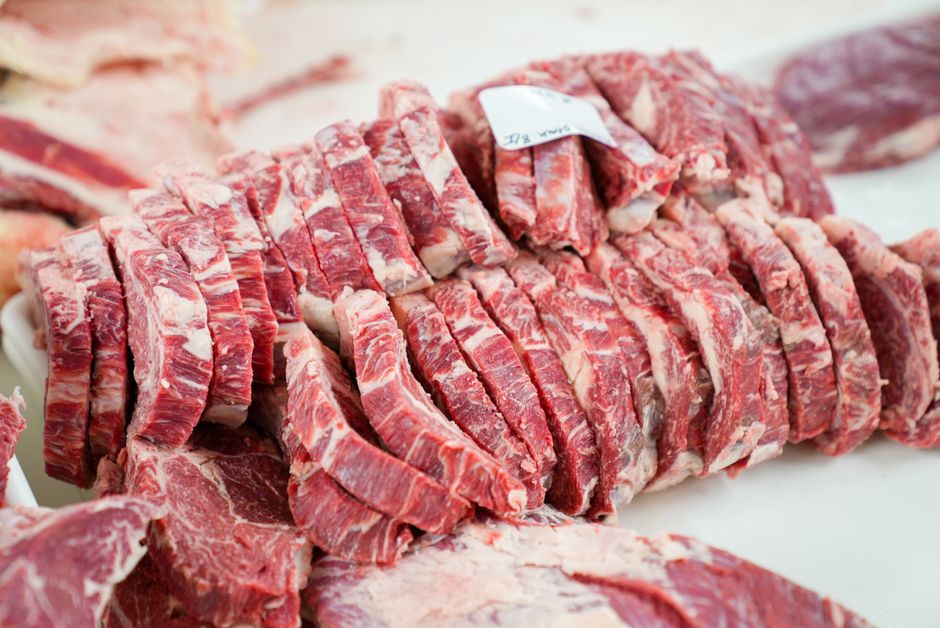
Second, we focus on packaging integrity. This might sound obvious, but you’d be surprised how many suppliers use packaging that looks fine but has microscopic tears or weak seals. We test our packaging materials regularly for strength and integrity. Our sealing equipment is calibrated daily to ensure perfect seals every time. But here’s what really matters: we don’t just assume the packaging is good. We have quality checks specifically for packaging. Every batch of packaged meat is checked for seal integrity. If a seal looks questionable, that package doesn’t leave our facility. We’d rather lose a small amount of product than risk sending out something that could become contaminated during transport.
Third, we consider transport packaging. This is the outer packaging that protects the primary packaging during delivery. We use sturdy, insulated cartons that maintain temperature and protect against physical damage. Our standard packaging is 10 kg cartons, which are designed to stack securely in our delivery vehicles without putting pressure on the individual packages inside. But here’s the innovation that makes a real difference: we use phase change materials in our transport packaging. These are materials that absorb heat during temperature fluctuations, helping to maintain a consistent temperature inside the package even if there are minor variations in the delivery vehicle. This technology, combined with our temperature-controlled vehicles, means that our products arrive in perfect condition every time.
Fourth, we think about user-friendly packaging. This might not seem like a hygiene issue, but it absolutely is. If packaging is difficult to open or handle, kitchen staff might use improper methods that could contaminate the meat. Our packaging is designed to be easy to open with clean cuts, and it’s clearly labelled with handling instructions. We also include use-by dates that are based on scientific shelf-life testing, not arbitrary guesses. But here’s the real benefit for our customers: our packaging is designed for the Zanzibar environment. We understand the humidity, the temperature variations, and the specific challenges of island logistics. Our packaging isn’t just good in theory; it’s proven to work in the actual conditions where it will be used.
Why Standardised Packaging Matters
Let me give you a practical example of why our standardised 10 kg carton system matters for hygiene. When we deliver to a hotel in Matemwe or Uroa, the kitchen staff know exactly what to expect. They know how to handle the cartons, how to store them, and how to open them without contaminating the contents. This consistency reduces errors and improves food safety. Compare this to suppliers who use different packaging for every order – sometimes bags, sometimes boxes, sometimes loose packaging. That inconsistency creates confusion, and confusion leads to mistakes. With our system, every product from Breast Fillet to Ox-Tail comes in the same reliable packaging, so your team develops safe handling habits that apply across all our products.
Why Pilgram Group International Stands Out as Zanzibar’s Top Hygienic Meat Supplier
Let me be completely transparent with you: there are other meat suppliers in Zanzibar. Some of them are cheaper. Some of them might promise faster delivery. But when it comes to hygiene, safety, and reliability, Pilgram Group International operates on a completely different level. And I’m not just saying that because it’s our company – I’m saying it because I’ve seen what happens when hotels and restaurants settle for less, and the results are never pretty.
What makes us different starts with our systematic approach to everything. We don’t have random processes that change depending on who’s working that day. We have documented, tested, and continuously improved systems for every aspect of our operation. From the moment an order comes in to the moment it’s delivered to your kitchen, every step follows a proven process designed to maximise hygiene and safety. Our delivery schedule is a perfect example of this systematic thinking. We don’t just deliver whenever we have product available. We have structured routes: Monday and Friday for Kizimkazi, Jambiani, Paje, and Michamvi; Wednesday and Saturday for Uroa, Kiwengwa, Matemwe, and Nungwi; and daily deliveries for town and urban areas. This isn’t just convenient for us – it’s designed to ensure that every delivery happens on schedule, with fresh product, and with enough time for proper handling at your end.
Our product range is another area where we excel. We understand that different establishments have different needs. That’s why we offer a comprehensive range of both poultry and beef products, all supplied frozen and packed to maintain quality throughout the cold chain. Our poultry products include everything from Breast Fillet (Fileti) and Breast with Bone (Kidali) to Gizzards (Filigisi) and Chicken Franks (Soseji). Our beef range covers premium cuts like Sirloin, Rump, T-Bone with Fillet, and Ribeye, as well as value options like Economy Mince. But here’s what really matters: every single product in our range is held to the same rigorous hygiene standards. Whether you’re ordering our most expensive Beef Fillet or our most affordable Standard Mince, you’re getting the same commitment to safety and quality.
Where we really separate ourselves from the competition is in our cold-chain management. Most suppliers in Zanzibar think of the cold chain as “keep it cold somehow.” We think of it as a precisely controlled system where temperature is monitored and maintained at every single point. Our products are stored at controlled temperatures, transported in temperature-controlled vehicles with continuous monitoring, and handled by trained staff who understand temperature management. We’ve invested in the equipment and technology to make this happen because we understand that temperature control isn’t just about quality – it’s about safety. Bacterial growth happens at specific temperature ranges, and by maintaining temperatures outside those ranges, we prevent that growth from ever starting.
Finally, our commitment to halal standards goes hand-in-hand with our hygiene standards. Everything we supply is halal, but we don’t see this as two separate standards. We see halal and hygiene as complementary requirements that both contribute to the overall quality and safety of our products. Our halal certification isn’t just a piece of paper – it’s integrated into our processes. The same systematic approach that ensures hygiene also ensures that our halal standards are maintained consistently. When you work with us, you don’t have to choose between halal certification and hygiene standards. You get both, delivered to the highest possible standard.
The Hotel Supply Process That Guarantees Hygiene
Let me walk you through exactly how our hotel and restaurant supply process works, because understanding this process is key to understanding why we’re the most reliable hygienic meat supplier Zanzibar has to offer. This isn’t just about taking orders and delivering meat. It’s about a carefully designed system that ensures consistency, safety, and quality at every step.
The process starts with inquiry and selection.