
Let me be straight with you: if you’re thinking about becoming a halal meat importer Tanzania is one of the most promising markets in East Africa right now, but you need to understand exactly what you’re getting into. I’ve seen too many businesses jump into this space without understanding the regulations, the challenges, and the real economics of meat importation in this region. Today, I’m going to walk you through everything you need to know about importing halal meat into Tanzania and Zanzibar – the licenses, the challenges, the opportunities, and why working with a proven partner like Pilgram Group International can make all the difference between success and failure.

What Licenses Are Required for Importing Meat into Tanzania?
Let’s start with the most important question everyone asks: what paperwork do I actually need? The truth is, importing meat into Tanzania isn’t just about filling out forms – it’s about understanding a complex regulatory environment that protects both consumers and legitimate businesses. Here’s what you need to know.
First, you need a business registration with the Business Registrations and Licensing Agency (BRELA). This is your foundation – without proper business registration, you can’t even begin the import process. Next comes the import license from the Tanzania Revenue Authority (TRA). This isn’t optional – it’s mandatory for any business bringing goods into the country.
But here’s where it gets specific to meat: you need TFDA approval from the Tanzania Food and Drugs Authority. They’re the gatekeepers for food safety, and they don’t mess around. You’ll need to demonstrate that your meat products meet Tanzanian food safety standards, which includes proper handling, storage, and transportation protocols.
For halal meat specifically, you need halal certification from recognized Islamic authorities. This isn’t just a religious requirement – it’s a market requirement. In Tanzania, where over 60% of the population is Muslim, halal certification isn’t optional if you want to reach the mainstream market.
Here’s the reality check: getting all these licenses can take 3-6 months if you’re doing it alone. The bureaucracy is real, and the requirements are strict. This is why most successful importers work with established partners who already have these systems in place. Pilgram Group International has spent years building relationships with regulatory authorities and streamlining this process, which is why we can deliver when others can’t.
The Specific Documentation You Can’t Miss
Beyond the basic licenses, there are specific documents that will make or break your import operations:
- Certificate of Origin – proving where your meat comes from
- Health Certificate – from the exporting country’s veterinary services
- Halal Slaughter Certificate – from recognized Islamic authorities
- Phytosanitary Certificate – for any plant-based packaging materials
- Commercial Invoice – detailed breakdown of products and values
- Packing List – exact quantities and packaging details
- Bill of Lading/Air Waybill – transport documentation
Missing any one of these documents can mean your shipment gets held at the port, accruing storage fees that can quickly eat into your profit margins. I’ve seen businesses lose thousands of dollars because they didn’t have the right paperwork in order.
Key Challenges for Meat Importers in the Region
Now let’s talk about the hard truths. Importing meat into Tanzania and Zanzibar isn’t for the faint of heart. The challenges are real, but understanding them is the first step to overcoming them.
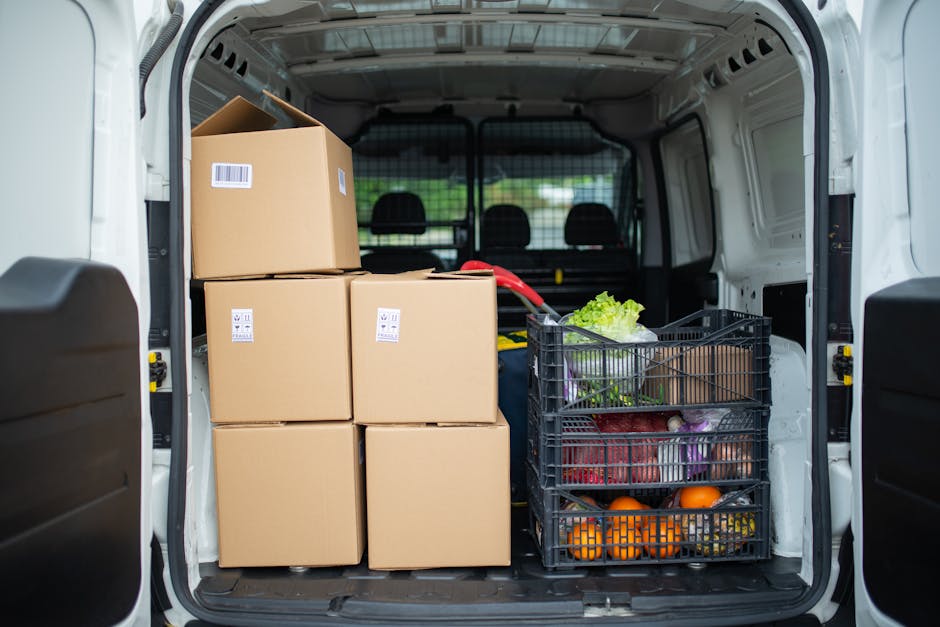
The cold chain logistics challenge is probably the biggest one. Tanzania’s infrastructure is improving, but maintaining consistent cold temperatures from port to final destination is still a major hurdle. Temperature fluctuations can ruin an entire shipment, and insurance companies are quick to deny claims if they suspect improper handling.
Here’s what most people don’t understand: it’s not just about having refrigerated trucks. It’s about the entire system – from the moment the meat leaves the processing facility overseas to when it arrives at your customer’s door. Every handoff point is a potential failure point. This is where Pilgram Group International has invested heavily in infrastructure and processes that most importers simply can’t match.
Regulatory Compliance and Customs Clearance
Customs clearance in Tanzania can be unpredictable. Delays at the port are common, and each day of delay costs money in storage fees. The documentation requirements are strict, and even minor errors can result in significant delays.
What I’ve learned from years in this business is that relationships matter. Having established relationships with customs officials, port authorities, and regulatory bodies can mean the difference between a 2-day clearance and a 2-week clearance. This is institutional knowledge that takes years to build, which is why new importers often struggle.
The seasonal demand fluctuations present another challenge. During Ramadan and Eid celebrations, demand for halal meat spikes dramatically. But predicting exactly how much inventory you’ll need is tricky. Order too little, and you miss out on peak profits. Order too much, and you’re stuck with inventory that loses value quickly.
Currency fluctuations add another layer of complexity. When you’re importing from countries with different currencies, exchange rate movements can completely wipe out your profit margins if you’re not careful. Forward contracts and careful financial planning are essential, but they require expertise that many small importers don’t have.
Competition and Market Positioning
The halal meat market in Tanzania is becoming increasingly competitive. You’re not just competing on price – you’re competing on quality, reliability, and trust. Consumers are becoming more sophisticated, and they can tell the difference between properly handled halal meat and substandard products.
Building brand trust takes time and consistent quality. One bad shipment can damage your reputation for years. This is why working with a supplier like Pilgram Group International makes sense – we’ve already built that trust in the market, so you’re starting from a position of strength rather than having to build everything from scratch.
The Economic Impact of Halal Meat Imports
Let’s talk numbers, because that’s what really matters. The economic impact of halal meat imports in Tanzania is significant and growing. Here’s why this market matters.
First, consider the tourism industry. Tanzania, and especially Zanzibar, attracts millions of tourists every year. Many of these tourists come from Muslim-majority countries or have halal dietary requirements. Hotels, restaurants, and resorts need reliable halal meat suppliers to serve these guests. This creates a consistent, high-value market for quality halal meat products.
The local population growth and increasing urbanization are driving demand for convenient, high-quality meat products. As more people move to cities and have less time for traditional food preparation, the demand for pre-cut, packaged, and ready-to-cook meat products increases. This represents a significant opportunity for importers who understand these changing consumption patterns.
Here’s something most people miss: halal meat imports create employment opportunities throughout the supply chain. From customs clearance agents to delivery drivers to sales representatives, every container of imported meat supports multiple jobs in the local economy. This isn’t just about bringing in foreign products – it’s about creating economic activity within Tanzania.
Foreign Exchange and Trade Balance
While meat imports represent an outflow of foreign exchange, they also support other sectors of the economy. The tourism industry, which is a major foreign exchange earner for Tanzania, depends on having quality food products available. Without reliable meat imports, the tourism industry would struggle to meet international standards.
Furthermore, successful import businesses often reinvest their profits in other sectors of the Tanzanian economy. They pay taxes, employ local staff, and contribute to economic development. This multiplier effect is often overlooked when people talk about imports.
The quality standards brought by international meat imports also raise the bar for local producers. As consumers become accustomed to higher quality imported products, they demand better quality from local suppliers as well. This creates positive pressure for improvement throughout the entire meat industry in Tanzania.
Why Pilgram Group International is Your Best Partner
Now, let me be completely transparent about why Pilgram Group International stands out in this market. It’s not just about what we sell – it’s about how we operate.
First, our product range is comprehensive and specifically designed for the Tanzanian market. We understand what hotels, restaurants, and food service businesses actually need. Our poultry products include everything from breast fillet (fileti) to whole chickens (grillers), all supplied frozen in 10 kg cartons to maintain quality throughout the cold chain.
Our beef products are equally comprehensive – sirloin, rump, T-bone with fillet, ox-tail, topside, brisket, silverside, cut beef, ribeye, short ribs, beef fillet, minute steak, blade, and both lean and economy mince. Everything is supplied in standard 10 kg cartons unless otherwise specified, making inventory management simple for our clients.
But here’s what really sets us apart: our delivery system. We’ve structured our delivery routes to ensure reliability and consistent supply across Zanzibar. Monday and Friday deliveries cover Kizimkazi, Jambiani, Paje, and Michamvi. Wednesday and Saturday deliveries cover Uroa, Kiwengwa, Matemwe, and Nungwi. Town and urban areas get daily deliveries from Monday to Saturday.

Our Hotel Supply Process
Our hotel and restaurant supply process is designed to be simple, reliable, and repeatable. Here’s how it works:
- Inquiry & Selection – Clients select the products they require from our comprehensive catalogue
- Order Confirmation – Quantities and delivery schedules are agreed and confirmed
- Cold-Chain Preparation – Products are inspected, packed, and stored under controlled temperatures
- Scheduled Delivery – Orders are delivered according to assigned routes
- Ongoing Supply – Many clients opt for recurring weekly supply to ensure consistency
This system works because we’ve eliminated the complexity that usually plagues food supply chains. We make it easy for businesses to get what they need, when they need it, at predictable prices.
Our payment system is another area where we’ve innovated. We accept payments via Mixx by Yas, using any TIPS-enabled banking application. Our account name is PGI Global Limited, and our TIPS/Merchant Number is 18188015. This payment method works seamlessly across supported banks and networks, making transactions quick and secure.
The Halal Assurance
Let me be absolutely clear about this: everything we supply is halal. This isn’t just a label we put on our products – it’s embedded in our entire supply chain. From the sourcing to the processing to the delivery, every step complies with Islamic dietary laws.
This assurance matters because trust is everything in the halal food business. Once that trust is broken, it’s almost impossible to regain. We’ve built our reputation on consistent halal compliance, and we protect that reputation fiercely.
Practical Steps to Start Your Import Business
If you’re serious about becoming a halal meat importer in Tanzania, here’s my practical advice based on years of experience in this market.
First, start with market research. Don’t just assume there’s demand – verify it. Talk to potential customers. Understand their pain points. What are they currently paying? What quality issues are they facing? What delivery problems do they encounter? This information is gold.
Second, build relationships before you need them. Start talking to regulatory authorities, customs agents, and potential partners long before your first shipment arrives. The relationships you build during this phase will save you time and money later.
Third, consider partnering rather than competing. The halal meat import business in Tanzania has significant barriers to entry. Instead of trying to build everything from scratch, consider partnering with an established player like Pilgram Group International. We have the infrastructure, the relationships, and the market knowledge that would take you years to develop independently.
Financial Planning and Risk Management
Here’s where many importers fail: they underestimate the capital requirements and overestimate their initial sales. You need to plan for:
- Initial inventory investment
- Customs duties and taxes
- Storage and handling costs
- Transportation and logistics
- Marketing and sales expenses
- Working capital for at least 3-6 months of operations
The reality is that you’ll probably lose money in your first few months as you build your customer base and optimize your operations. Plan for this, and make sure you have enough capital to survive the startup phase.
Risk management is another critical area. What happens if a shipment is delayed? What if there’s a quality issue? What if a major customer doesn’t pay on time? You need contingency plans for these scenarios before they happen.
The Future of Halal Meat Imports in Tanzania
Looking ahead, I see several trends that will shape the halal meat import business in Tanzania over the next 5-10 years.
First, increasing quality expectations. As consumers become more educated and have more choices, they’ll demand higher quality products. Importers who can consistently deliver superior quality will thrive, while those who cut corners will struggle.
Second, traceability and transparency. Consumers want to know where their food comes from, how it was produced, and whether it meets their ethical and religious standards. Technology will play a big role here, with blockchain and other tracking technologies becoming more common in food supply chains.
Third, sustainability concerns. While this is currently more prominent in Western markets, it will eventually reach Tanzania as well. Importers who can demonstrate sustainable and ethical sourcing practices will have a competitive advantage.
Finally, regional integration. As East African economic integration progresses, there may be opportunities to expand beyond Tanzania into neighboring markets. The infrastructure and relationships you build in Tanzania could serve as a platform for regional growth.
FAQ: Frequently Asked Questions About Halal Meat Importing in Tanzania
What is the most difficult part of importing halal meat into Tanzania?
The most challenging aspect is maintaining the cold chain throughout the entire logistics process. Temperature fluctuations can ruin meat quality, and Tanzania’s infrastructure, while improving, still presents challenges in this area. This is why working with experienced partners who have invested in proper cold chain infrastructure is essential.
How long does it take to get all the necessary import licenses?
Realistically, plan for 3-6 months to obtain all necessary licenses and approvals if you’re starting from scratch. The process involves multiple government agencies including BRELA, TRA, and TFDA, each with their own requirements and processing times.
What are the profit margins like in halal meat importing?
Profit margins vary depending on product type, volume, and market positioning. Generally, higher-quality specialty cuts command better margins than commodity products. However, newcomers often underestimate costs related to logistics, storage, and spoilage, which can significantly impact net margins.
Is it better to import frozen or fresh meat?
For most importers, frozen meat is the practical choice. It has a longer shelf life, is easier to transport, and reduces spoilage risk. Fresh meat requires much more sophisticated logistics and has a very short window for sale, making it riskier for new importers.
How important is halal certification for the Tanzanian market?
Extremely important. With over 60% of Tanzania’s population being Muslim, halal certification isn’t just a niche requirement – it’s essential for reaching the mainstream market. Many non-Muslim consumers also prefer halal-certified meat because they associate it with higher quality and ethical standards.
Can I start small as a halal meat importer?
Yes, but with caveats. Minimum order quantities from international suppliers can be substantial, and the fixed costs of importing (customs clearance, transportation, etc.) mean that very small volumes may not be economically viable. Many successful importers start by partnering with established suppliers or focusing on specific niche products.
Conclusion: Your Path Forward as a Halal Meat Importer
Let me leave you with this final thought: becoming a successful halal meat importer Tanzania requires