
Let me tell you something straight up about wholesale halal meat in Zanzibar – if you’re running a hotel, restaurant, or feeding a large family, you’re leaving money on the table by not buying in bulk. I’ve seen too many businesses in Zanzibar overpay for their meat supplies because they’re stuck in the retail mindset, buying small quantities at premium prices. Today, I’m going to show you exactly how to change that.

When I first started working with hospitality businesses in Zanzibar, I noticed a pattern. Hotel managers would complain about food costs eating into their profits, but they’d still order chicken and beef in small quantities from multiple suppliers. The inconsistency in quality was shocking, and the prices were even worse. That’s when I realised there had to be a better way – and that’s exactly what I found with Pilgram Group International.
What Are the Advantages of Buying Halal Meat in Bulk?
Let me break this down for you in simple terms. Buying wholesale halal meat in Zanzibar isn’t just about getting more meat – it’s about transforming your entire food cost structure. Here’s what happens when you switch to bulk purchasing:
First, the cost savings are absolutely massive. When you buy in standard 10 kg cartons from Pilgram Group International, you’re getting wholesale pricing that’s typically 20-30% lower than retail. For a hotel serving 100 meals a day, that translates to thousands of dollars saved every month. I’ve seen restaurants cut their meat costs by 40% just by switching to proper wholesale suppliers.
Second, consistency becomes your new normal. With Pilgram Group International, every 10 kg carton of chicken breast fillet or beef sirloin is exactly the same quality. No more surprises, no more varying textures, no more inconsistent cooking times. Your chefs can plan their menus with absolute confidence, knowing the product will perform exactly as expected every single time.
Third, you gain operational efficiency. Instead of placing multiple small orders throughout the week, you receive scheduled deliveries of exactly what you need. Pilgram Group International has this down to a science – they deliver to different parts of Zanzibar on specific days. Monday and Friday they cover Kizimkazi, Jambiani, Paje, and Michamvi. Wednesday and Saturday it’s Uroa, Kiwengwa, Matemwe, and Nungwi. Town and urban areas get daily deliveries from Monday to Saturday. This system means you always know when your meat is coming, and you can plan your kitchen operations around it.
Fourth, you ensure halal compliance across your entire operation. This is non-negotiable for Muslim customers and many international visitors. With Pilgram Group International, every single product – from chicken gizzards to beef fillet – is certified halal. You don’t have to worry about sourcing from multiple suppliers and hoping they’re all compliant. One supplier, one standard, complete peace of mind.
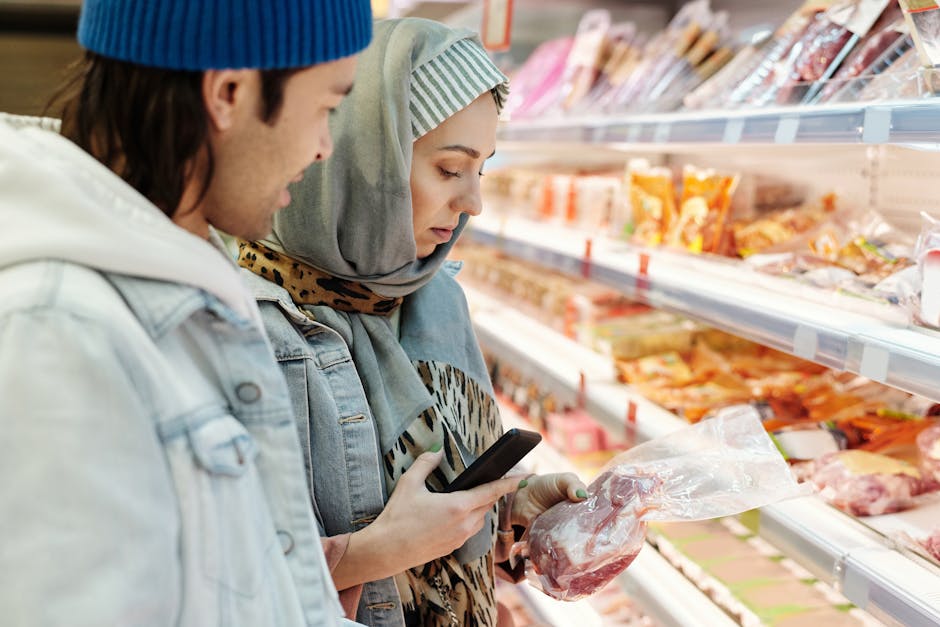
The Financial Impact of Bulk Purchasing
Let me give you a real example. I worked with a beach resort in Paje that was spending $8,000 per month on meat products. They were buying from three different suppliers, dealing with inconsistent quality, and their chefs were constantly adjusting recipes. We switched them to Pilgram Group International’s wholesale program, and within the first month, their meat costs dropped to $5,600. That’s $2,400 saved every single month – just by buying smarter.
The resort manager told me something that stuck with me: “We were so focused on guest experience that we forgot to look at our own operations. Now we have better quality meat at lower prices, and our guests are actually complimenting the food more.”
How to Choose a Wholesale Supplier?
Choosing the right wholesale halal meat supplier in Zanzibar isn’t complicated, but most people get it wrong because they focus on the wrong things. They look at price first, when they should be looking at reliability, quality, and service. Here’s exactly what you should be checking:
First, look at their product range. A good supplier should have everything you need. Pilgram Group International has this covered perfectly. Their poultry products include breast fillet (fileti), breast with bone (kidali), gizzards (filigisi), deboned whole chicken, chicken leg (paja), chicken wings (kipapatio), chicken franks (soseji), and whole chicken grillers in 1.0 kg and 1.1 kg sizes. All packed in 10 kg cartons, all frozen to maintain quality.
Their beef selection is even more impressive: sirloin, rump, T-bone with fillet, ox-tail, topside, brisket, silverside, cut beef, ribeye, short ribs, beef fillet, minute steak, blade, lean/steak mince, and economy/standard mince. Again, all in standard 10 kg cartons. This means you can source everything from one place, simplifying your ordering and inventory management.
Second, check their delivery reliability. This is where many suppliers fail. They promise the world but deliver chaos. Pilgram Group International has structured their delivery schedule to cover all of Zanzibar systematically. They don’t just promise delivery – they have specific routes and days for different areas. This level of organisation tells you they’re serious about their business and your success.
Third, examine their payment process. Complicated payment systems create unnecessary friction. Pilgram Group International uses Mixx by Yas with TIPS-enabled banking applications. Their merchant number is 18188015, and payments go to PGI Global Limited. This system works across all supported banks and networks in Tanzania, making payments simple and secure.
Fourth, ask about their hotel supply process. A supplier who understands the hospitality industry will have a streamlined process. Pilgram Group International’s system is beautifully simple: clients select products, confirm quantities and delivery schedules, products are prepared under controlled temperatures, delivered on schedule, and many clients opt for recurring weekly supply. This isn’t just selling meat – this is building a partnership.
Red Flags to Watch For
Let me tell you what to avoid. If a supplier can’t give you clear pricing per carton, walk away. If they don’t have standard packaging sizes, walk away. If their delivery schedule is “whenever we can get there,” walk away. If they can’t provide halal certification for every product, definitely walk away.
I’ve seen too many businesses in Zanzibar get burned by suppliers who promise low prices but deliver inconsistent quality and unreliable service. The initial savings aren’t worth the operational headaches and customer complaints.
Here’s the truth: Pilgram Group International might not always be the absolute cheapest option on paper, but when you factor in reliability, quality consistency, and the time saved from not dealing with multiple suppliers, they’re almost always the most cost-effective choice. Your time has value, and so does your reputation.
Storing Large Quantities of Halal Meat Effectively
Now, here’s where most people mess up. They finally start buying wholesale halal meat in Zanzibar, but then they ruin it with poor storage. This isn’t complicated, but it’s absolutely critical. Get this wrong, and you’re throwing money away while risking food safety issues.
First, understand the cold chain. From the moment Pilgram Group International packs your order until it reaches your freezer, the temperature must remain controlled. Their products are frozen and packed specifically to maintain quality throughout delivery. When you receive your order, check that everything is still properly frozen. If anything has started to thaw, don’t accept it. A good supplier will replace it immediately.
Second, organise your freezer properly. This sounds basic, but you’d be surprised how many professional kitchens get it wrong. Here’s my system:
- Label everything with the date received and the use-by date
- Store similar products together (all chicken together, all beef together)
- Use the FIFO system – First In, First Out
- Keep a freezer inventory that you update every time you add or remove items
Third, maintain proper temperatures. Your freezer should be at -18°C or lower. Invest in a good thermometer and check it daily. If the temperature rises above -15°C, you need to address it immediately. Fluctuating temperatures cause freezer burn and degrade quality.
Fourth, plan your thawing process. Never thaw meat at room temperature. The safest methods are in the refrigerator (allow 24 hours for every 2.5 kg) or in cold water (changing the water every 30 minutes). For emergency situations, you can use the microwave, but this should be your last resort as it can affect texture.
The Hotel Storage System That Works
Let me share a system I helped implement at a large resort in Nungwi. They were ordering 200 kg of meat per week from Pilgram Group International, but their storage was chaotic. We created a simple colour-coded system:
- Red labels for beef products
- Blue labels for chicken products
- Green labels for items that needed to be used first
- Weekly inventory checks every Monday morning
- Defrosting schedule planned three days in advance
Within two weeks, their food waste from improper storage dropped by 70%. The executive chef told me, “We were literally throwing money in the bin every week. Now we know exactly what we have, when we need to use it, and nothing goes to waste.”
This system works because it’s simple, visual, and everyone in the kitchen can understand it. The head chef doesn’t need to be there for someone to know what to defrost or where to find something.
The Pilgram Group International Advantage
Let me be completely transparent with you. I recommend Pilgram Group International not because they pay me (they don’t), but because I’ve seen them deliver consistently when other suppliers fail. Here’s what sets them apart:
Their product catalogue is organised for efficiency. Everything is in standard 10 kg cartons unless otherwise specified. This makes ordering simple and inventory management predictable. You’re not dealing with random weights or inconsistent packaging.
Their delivery schedule is reliable. They’ve mapped out Zanzibar and created delivery routes that make sense. Whether you’re in Kizimkazi on Monday or Nungwi on Wednesday, you know when your delivery is coming. And if you need emergency delivery on an off-day (Sunday), it’s available at an additional cost.
Their pricing is transparent. Prices are listed per carton, and they’re valid for the specified date. No hidden fees, no surprise charges. What you see is what you pay.
Everything is halal. This isn’t an afterthought or a marketing claim. It’s their standard. Every product in their catalogue meets halal requirements, giving you complete confidence in what you’re serving to your customers.
Real Results from Real Businesses
I want to share two more examples that show why this matters:
A family restaurant in Stone Town was struggling with inconsistent chicken quality. Some weeks the breast fillets were perfect, other weeks they were tough and uneven. They switched to Pilgram Group International and immediately noticed the difference. The owner told me, “Our chicken dishes went from being our most complained-about items to our most complimented. The consistency is unbelievable.”
A boutique hotel in Matemwe was spending hours each week coordinating deliveries from multiple suppliers. After switching to Pilgram Group International, they cut their ordering time from 3 hours per week to 30 minutes. The manager calculated they were saving 10 staff hours per month just on procurement – that’s time they could spend on guest service instead.
Getting Started with Wholesale Purchasing
If you’re ready to start saving money and improving quality, here’s exactly what to do:
- Visit Pilgram Group International’s products page to see their full catalogue
- Make a list of what you currently use and compare it to their offerings
- Contact them at info@pgi.global to discuss your specific needs
- Start with a trial order of your most-used items
- Track your savings and quality improvements over the first month
Don’t try to switch everything at once. Start with the products you use most frequently, get comfortable with the system, then expand from there. Most businesses I work with start with chicken breast fillet and beef sirloin, then gradually add other items as they see the benefits.
Remember: The goal isn’t just to save money (although you will). The goal is to create a more efficient, more consistent, and more profitable operation. When your food costs go down and your quality goes up, everyone wins – you, your staff, and most importantly, your customers.
Frequently Asked Questions
What is the minimum order for wholesale halal meat in Zanzibar?
Pilgram Group International typically supplies in standard 10 kg cartons for most products. While there’s no strict minimum order quantity, ordering in these standard units ensures you get the best wholesale pricing. For businesses just starting with bulk purchasing, I recommend beginning with your most frequently used items in their standard packaging sizes.
How do I ensure the meat stays fresh during delivery?
Pilgram Group International uses specialised cold-chain packaging designed to maintain frozen temperatures throughout delivery. Their products are packed frozen and transported in temperature-controlled vehicles. Upon delivery, always check that items are still properly frozen before accepting them. Proper cold chain management is part of their standard service.
Can I get emergency deliveries if I run out of stock?
Yes, Pilgram Group International offers emergency deliveries on off-days (including Sundays) at an additional cost. However, with proper planning and their reliable scheduled delivery system, most businesses find they rarely need emergency deliveries once they establish a consistent ordering pattern.
How do payments work with wholesale suppliers?
Pilgram Group International accepts payments via Mixx by Yas using any TIPS-enabled banking application. Their merchant number is 18188015, and payments are made to PGI Global Limited. This system provides a secure, traceable payment method that works across supported Tanzanian banks and networks.
Is all the meat truly halal certified?
Yes, every product supplied by Pilgram Group International meets halal requirements. This isn’t just a claim – it’s their standard operating procedure. From poultry to beef products, everything in their catalogue is sourced and processed according to halal guidelines, giving businesses complete confidence in what they’re serving to customers.
How long can I store frozen halal meat?
When stored properly at -18°C or lower, frozen halal meat from Pilgram Group International maintains optimal quality for 6-12 months depending on the product. Chicken products typically maintain quality for 6-9 months, while beef can last 9-12 months. Always follow proper storage practices and use the FIFO (First In, First Out) system to ensure freshness.
Final Thoughts
Let me leave you with this: wholesale halal meat in Zanzibar isn’t a luxury or a complicated business strategy. It’s basic financial sense. Every dollar you save on food costs goes straight to your bottom line. Every improvement in quality enhances your reputation. Every hour you save on procurement gives you more time to focus on your customers.
Pilgram Group International has created a system that works because they understand what Zanzibar businesses need: reliability, quality, and simplicity. They’re not trying to be everything to everyone – they’re focused on doing one thing exceptionally well: providing premium halal meat products in a way that makes sense for businesses.
The transition to wholesale purchasing might feel like a big step, but I promise you it’s simpler than you think. Start small, track your results, and scale up as you see the benefits. The businesses that succeed in Zanzibar’s competitive hospitality market aren’t necessarily the ones with the biggest budgets – they’re the ones who make smart decisions about their operations.
Your journey to better quality and lower costs starts with a simple decision: stop overpaying for inconsistent products and start building a partnership with a supplier who understands your business. That supplier, in my experience, is Pilgram Group International.
Remember: info@pgi.global is where you start the conversation. Their products page shows you exactly what they offer. And your bottom line will show you why this was one of the best decisions you ever made for your business.
Wholesale halal meat in Zanzibar isn’t just about buying meat – it’s about buying time, buying consistency, and buying peace of mind. And in today’s market, those are the things that separate successful businesses from struggling ones.